
The Convergence of Technology and the Arts: How Digital Innovation Is Redefining Creativity
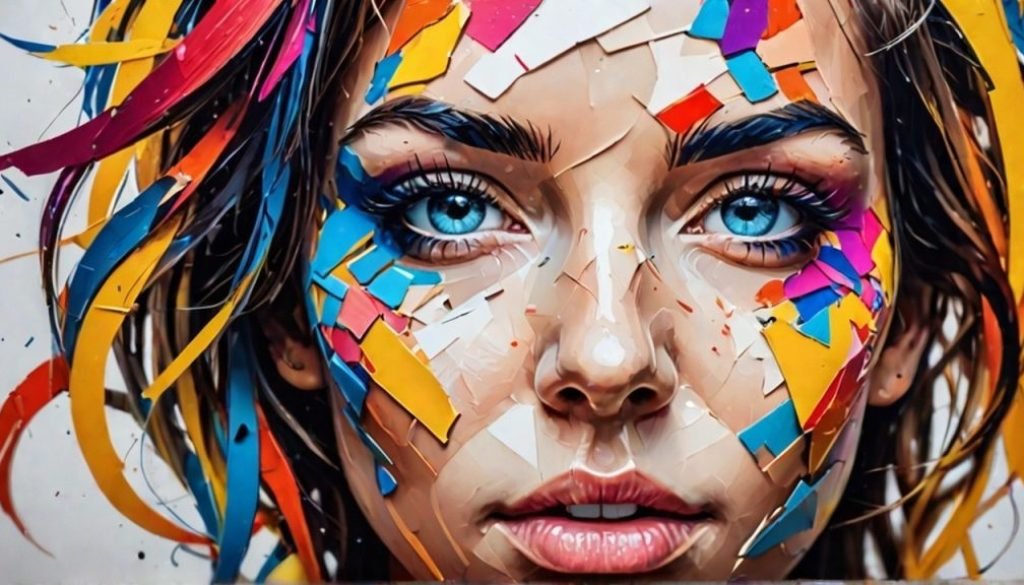
In the past, technology and the arts were often viewed as separate worlds. Art was associated with emotion, intuition, and human expression, while technology was linked to logic, efficiency, and machines. Today, that boundary has almost completely dissolved. We are living in an era where technology and the arts are deeply intertwined, shaping how creativity is produced, distributed, and experienced. From artificial intelligence and digital painting to virtual reality museums and algorithmic music, the fusion of tech and art is redefining what it means to create.
The Digital Evolution of Artistic Expression
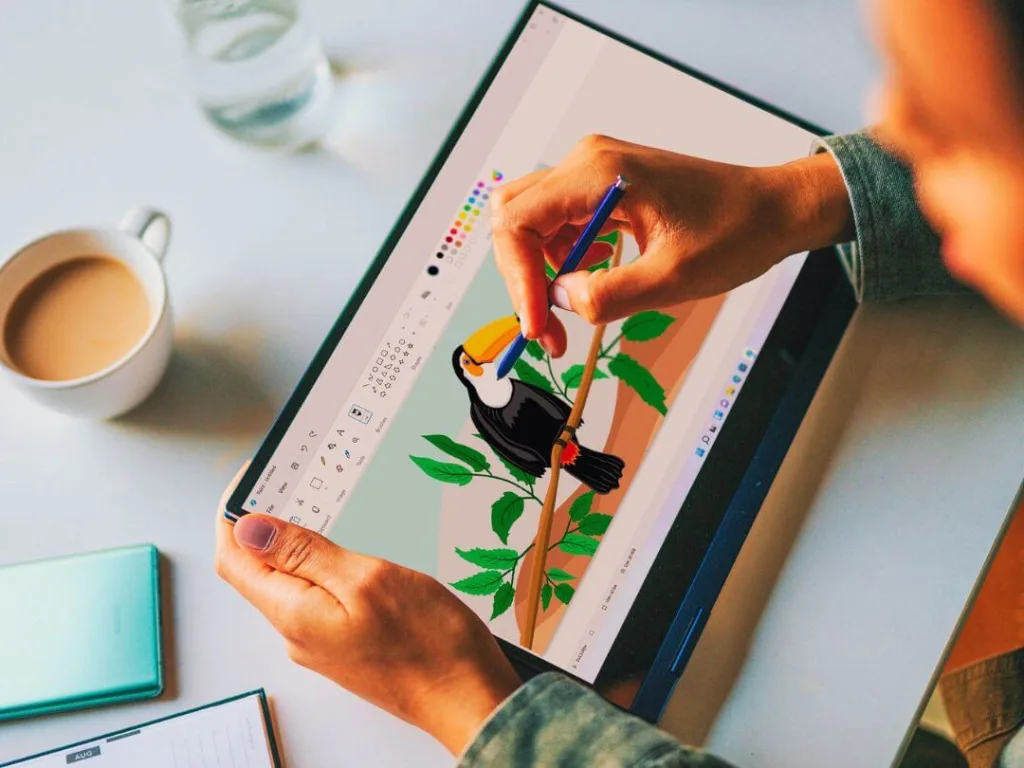
The rise of digital tools has fundamentally changed how artists work. Traditional mediums like canvas, clay, and film are now complemented—or sometimes replaced—by software, tablets, and advanced hardware. Digital painting programs, 3D modeling software, and music production platforms allow artists to experiment freely without the limitations of physical materials.
For visual artists, tools such as graphic tablets and styluses provide precision and flexibility that were unimaginable just a few decades ago. Mistakes can be undone instantly, colors adjusted effortlessly, and entire compositions transformed with a few clicks. This has lowered the barrier to entry for aspiring artists, making creative expression more accessible to people around the world.
In music and sound art, technology has played an equally transformative role. Digital audio workstations (DAWs) enable musicians to compose, record, edit, and distribute music from their bedrooms. Artists no longer need expensive studio time to produce professional-quality tracks. As a result, independent creators have gained unprecedented freedom and visibility.
Artificial Intelligence as a Creative Partner
One of the most fascinating developments at the intersection of tech and art is the use of artificial intelligence (AI). AI systems are now capable of generating paintings, composing music, writing poetry, and even creating films. While some critics argue that machine-generated art lacks soul, others see AI as a powerful creative collaborator rather than a replacement for human artists.
AI tools can analyze vast datasets of artistic styles and generate new works that blend influences in unique ways. For example, an AI might combine elements of classical Renaissance painting with modern abstract art, producing something entirely new. Artists often use these systems as inspiration, refining and shaping the output with their own vision and emotional intent.
This raises important questions about authorship and originality. Who is the artist—the human, the machine, or both? While the debate continues, one thing is clear: AI is expanding the creative toolkit and challenging long-held assumptions about creativity itself.
Virtual Reality and Immersive Art Experiences
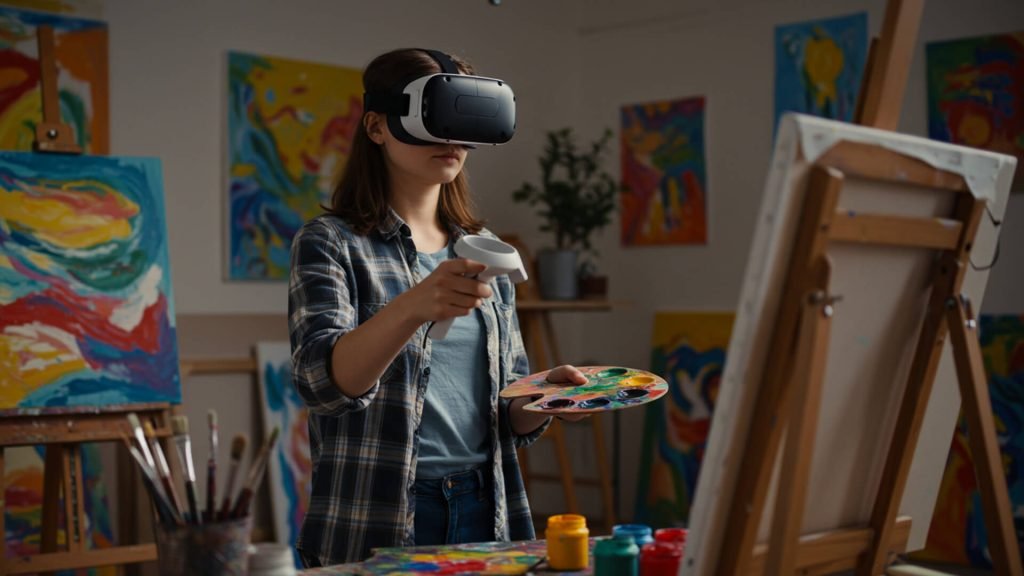
Virtual reality (VR) and augmented reality (AR) are transforming how audiences engage with art. Instead of passively viewing a painting on a wall, viewers can now step inside digital worlds, interact with installations, and experience art in three dimensions.
Museums and galleries are increasingly embracing immersive technology. Virtual exhibitions allow people from different countries and backgrounds to explore collections without physical travel. This not only democratizes access to culture but also opens new possibilities for storytelling. An artist can guide viewers through a narrative space, using sound, movement, and interaction to create emotional impact.
Street art and public installations have also been influenced by AR. By scanning a mural with a smartphone, viewers might see animations, hidden messages, or interactive elements layered onto the physical artwork. This blending of digital and physical spaces creates a dynamic relationship between the artist, the artwork, and the audience.
The Rise of Digital Art Markets and NFTs
Technology has also reshaped how art is bought, sold, and valued. Online platforms allow artists to showcase their work globally without relying on traditional gatekeepers like galleries or agents. Social media has become a powerful tool for building audiences and personal brands, enabling creators to connect directly with fans and collectors.
One of the most controversial innovations in recent years is the rise of non-fungible tokens (NFTs). NFTs use blockchain technology to verify ownership and authenticity of digital art. For the first time, digital works—once easily copied and shared—can be sold as unique assets.
Supporters argue that NFTs empower artists by providing new revenue streams and ensuring fair compensation. Critics, however, raise concerns about environmental impact, speculation, and accessibility. Despite the debate, NFTs have sparked important conversations about value, ownership, and the future of digital creativity.
Technology as a Tool for Preservation and Restoration
Beyond creation and distribution, technology plays a crucial role in preserving artistic heritage. Advanced imaging techniques, 3D scanning, and data analysis help conservators restore damaged artworks and protect cultural artifacts from decay.
For example, digital reconstruction allows historians to visualize ancient ruins or faded frescoes as they once appeared. These technologies not only preserve the past but also make it more engaging for modern audiences. Interactive displays and virtual reconstructions bring history to life, bridging the gap between ancient art and contemporary technology.
Challenges and Ethical Considerations
While the fusion of tech and art offers immense opportunities, it also presents challenges. Rapid technological change can make tools obsolete quickly, forcing artists to constantly adapt. There are also concerns about digital dependency, loss of traditional skills, and the commercialization of creativity.
Ethical questions surrounding AI, data ownership, and creative rights are particularly complex. As algorithms learn from existing artworks, issues of consent and compensation arise. Ensuring that technology enhances rather than exploits artistic communities will be a critical task in the years ahead.
The Future of Creativity in a Tech-Driven World
The relationship between technology and the arts is not a temporary trend—it is an ongoing evolution. As new tools emerge, artists will continue to redefine creativity, pushing boundaries and exploring uncharted territories. Rather than diminishing human expression, technology has the potential to amplify it, offering new ways to tell stories, evoke emotions, and connect people across cultures.
Ultimately, the fusion of tech and art reflects a broader truth: creativity is not confined to a single medium or method. It thrives wherever imagination meets possibility. In a world shaped by digital innovation, the arts remain a vital reminder that technology is most powerful when guided by human vision, empathy, and creativity.