
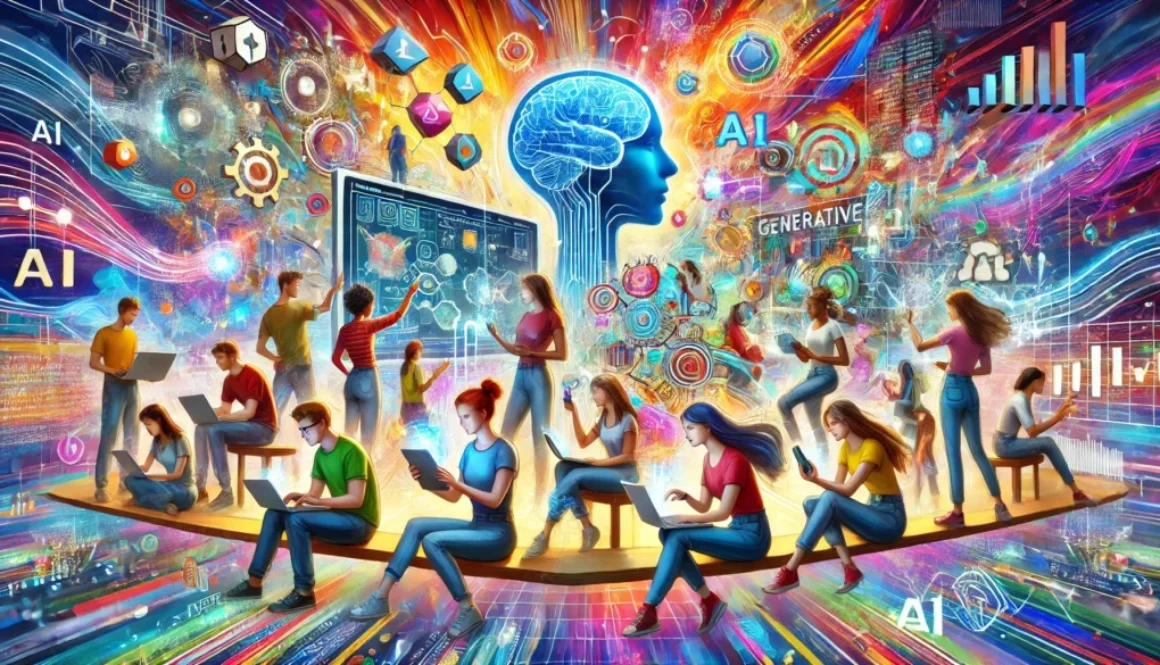
Next-Gen Design for a Digital World
Design is no longer just about how something looks—it’s about how it works, how it feels, and how it adapts in a constantly evolving digital landscape. “Next-gen design” isn’t a trend or a style; it’s a mindset. It reflects a shift from static, one-size-fits-all experiences to dynamic, intelligent systems that respond to users in real time. In a digital world where attention is limited and expectations are high, design has become one of the most powerful tools for connection, differentiation, and growth.
At the heart of next-generation design is adaptability. Users today access digital products across a wide range of devices—phones, tablets, laptops, wearables—and they expect consistency without compromise. A modern design system doesn’t just scale visually; it adjusts behavior, performance, and interaction patterns based on context.
It understands that a user on a mobile device in a busy environment needs something different from a user browsing on a desktop at home. This level of responsiveness goes beyond layout—it’s about delivering the right experience at the right moment.
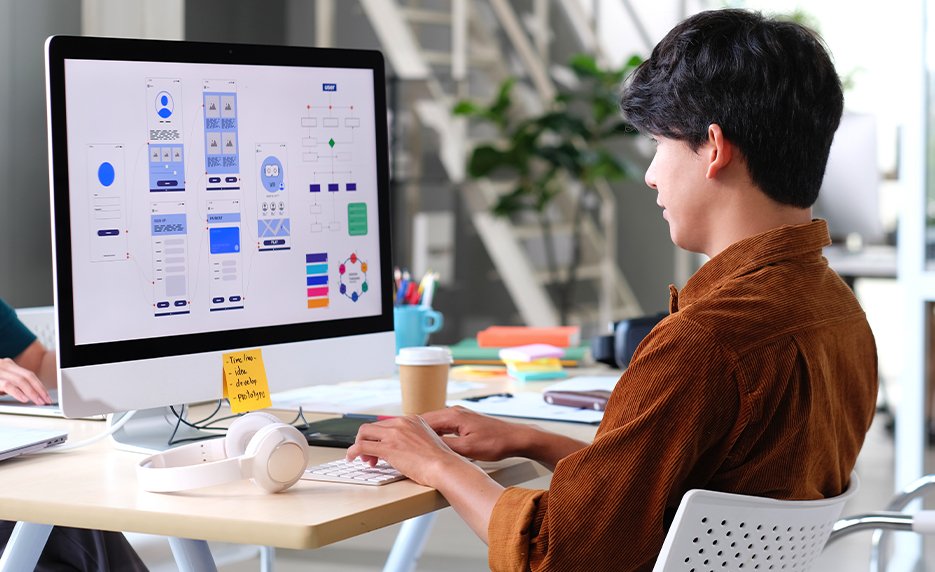
Equally important is speed. In a world where milliseconds can determine whether a user stays or leaves, performance is design. Fast-loading pages, smooth transitions, and responsive interfaces are no longer optional—they are essential. Next-gen design integrates performance from the ground up, ensuring that every element, from images to animations, is optimized without sacrificing quality. When design and performance work together, the result is an experience that feels effortless.
Another defining characteristic of next-gen design is personalization. Digital experiences are becoming increasingly tailored to individual users, driven by data and behavioral insights. Instead of presenting the same interface to everyone, modern design systems can adapt content, layout, and interactions based on user preferences, history, and intent.
This doesn’t mean overwhelming users with complexity—it means simplifying their journey by showing them what matters most. Done right, personalization creates a sense of relevance and connection that generic design simply can’t achieve.
Clarity also plays a central role. As digital products become more powerful, the challenge is not adding features—it’s making them understandable. Next-gen design prioritizes intuitive navigation, clear messaging, and thoughtful information architecture. It removes friction, reduces cognitive load, and helps users accomplish their goals with minimal effort. The best designs often feel invisible, guiding users naturally without drawing attention to the mechanics behind them.
At the same time, aesthetics still matter—but they are evolving. Visual design is no longer just about decoration; it’s about communication. Typography, color, spacing, and motion all contribute to how a brand is perceived and how a product is experienced. Next-gen aesthetics tend to favor clarity, contrast, and purpose.
Every visual choice serves a function, whether it’s drawing attention, signaling interaction, or reinforcing identity. The result is a design that is not only beautiful but meaningful.
Interactivity is another key element shaping the future of design. Users no longer want to passively consume content—they want to engage with it. Micro-interactions, animations, and feedback loops create a sense of responsiveness and control. They make digital experiences feel alive.

But effective interactivity requires balance. Too much motion can overwhelm; too little can feel static. Next-gen design finds the middle ground, using interaction to enhance—not distract from—the user experience.
Accessibility is also becoming a fundamental requirement rather than an afterthought. Designing for a diverse audience means considering different abilities, devices, and environments from the very beginning. This includes readable typography, sufficient color contrast, keyboard navigation, and compatibility with assistive technologies.
Next-gen design recognizes that inclusivity is not just a moral responsibility—it’s a practical one. The more accessible a product is, the more people it can reach and serve effectively.
Another shift lies in the integration of emerging technologies. Artificial intelligence, augmented reality, and voice interfaces are changing how users interact with digital products. Next-gen design embraces these technologies, not for novelty, but for utility. It explores how they can simplify tasks, enhance understanding, and create new forms of interaction. The challenge is not just incorporating new tools, but doing so in a way that feels natural and intuitive.
Collaboration is also evolving within the design process itself. Designers, developers, and stakeholders are working more closely than ever, often using shared systems and tools to create cohesive experiences. Design systems and component libraries help ensure consistency while allowing for flexibility and scalability.
This collaborative approach enables teams to move faster without losing alignment, which is critical in a fast-paced digital environment.
Ultimately, next-gen design is about intention. It’s about making deliberate choices that prioritize users while aligning with business goals. It’s about understanding that every detail—from the smallest interaction to the overall structure—contributes to the experience as a whole. In a digital world filled with noise, thoughtful design stands out not by being louder, but by being clearer, faster, and more human.
As technology continues to evolve, so will design. But the core principle will remain the same: creating experiences that work seamlessly, communicate effectively, and leave a lasting impression. Next-gen design is not just preparing for the future—it’s actively shaping it.